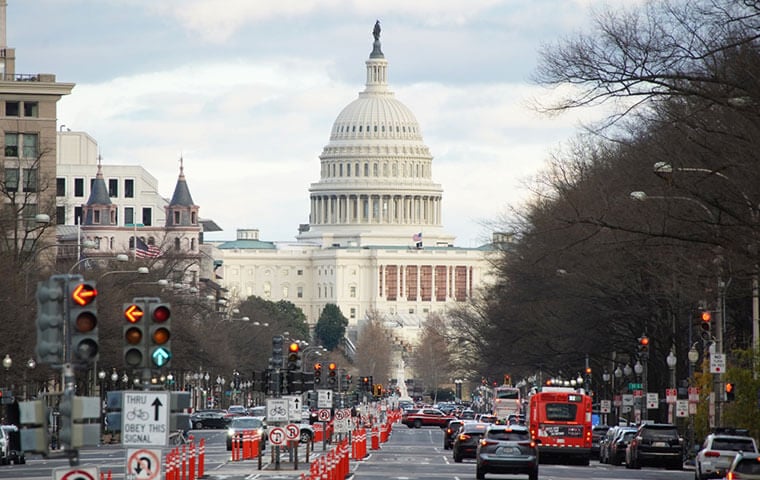
 Testifying before the Senate federal workforce subcommittee on reaching the end of his term, Gene Dodaro noted that of the 38 areas on the current high-risk list, 21 involve “human capital challenges. Image: Adam McCullough/Shutterstock.com
By: FEDweek Staff
Testifying before the Senate federal workforce subcommittee on reaching the end of his term, Gene Dodaro noted that of the 38 areas on the current high-risk list, 21 involve “human capital challenges. Image: Adam McCullough/Shutterstock.com
By: FEDweek StaffIn what amounted to a departing message, the outgoing head of the GAO has cited shortages of employees with needed skills as needing “special attention” among the agency management issues the agency has cited in its high-risk list and in regular reports over his 15 years as Comptroller General.
Testifying before the Senate federal workforce subcommittee on reaching the end of his term, Gene Dodaro noted that of the 38 areas on the current high-risk list, 21 involve “human capital challenges. Skills gaps are prevalent across many parts of the federal government and can impair the government’s ability to cost-effectively serve the public and achieve results.”
“Agencies experience skills gaps when they have an insufficient number of staff or individuals without the appropriate skills or abilities to successfully perform their work. We have recommended agencies address skills gaps by improving workforce planning, training, and recruitment and retention efforts,” his prepared testimony says.
He noted that since the most recent high-risk list nearly a year ago, “many agencies have reduced their workforces or are reorganizing. For example, the Departments of Energy, Housing and Urban Development, General Services Administration, and Office of Personnel Management are among the agencies experiencing the highest percentage of staff reductions this year, with likely more than a quarter of their employees separating from the agency, according to data agencies provided to us.”
GAO has “ongoing work that will examine those workforce decisions,” he added.
Other areas he cited included “expediting the pace of cybersecurity and critical infrastructure protections”; modernizing agency IT systems; resolving the “fundamental tension between the level of service Congress expects and what revenue USPS can reasonably be expected to generate”; the years-long imbalance between what the government spends and what it takes in; reducing improper payments and fraud; and improving the delivery of federal disaster assistance.
Nearly 10,000 Federal Offices Don’t Meet Usage Standards
OPM Plan on Employee Ratings Asking for Abuse, Says Senior House Democrat
OK, FERS and TSP, but What About Social Security Retirement Income?
Conversions to Schedule P/C Pending; Acknowledgement Form Draws Attention
Senate Passes DHS Funding Deal, but Stalls in House; Trump Signs Order to Pay TSA Personnel
See also,
Calculating Service Credit for Sick Leave At Retirement
FERS Supplement vs The 10% Pension Bonus
How Your FERS, Social Security and TSP Payments Get Taxed