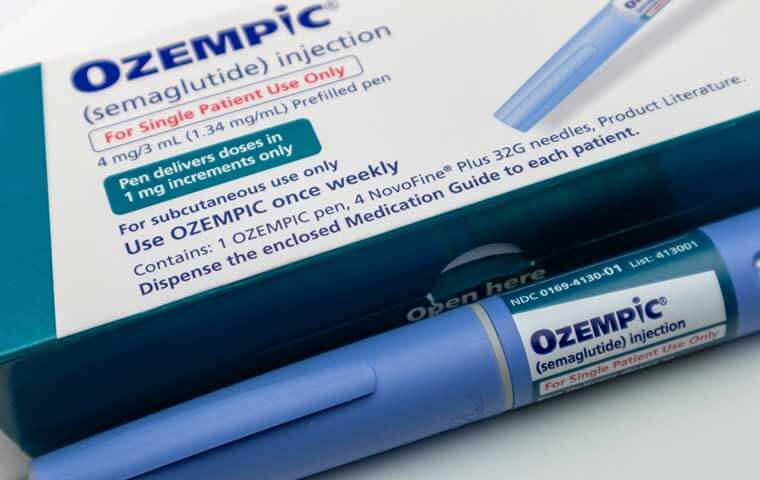
 The report said that over 2019-2024, the percentage of total pharmacy spending related to those drugs rose from 4 percent to 18 percent—in dollar terms, from $393 million to $2.6 billion. Image: KK Stock/Shutterstock.com
By: FEDweek Staff
The report said that over 2019-2024, the percentage of total pharmacy spending related to those drugs rose from 4 percent to 18 percent—in dollar terms, from $393 million to $2.6 billion. Image: KK Stock/Shutterstock.com
By: FEDweek StaffCosts of prescription drug coverage in the FEHB program rose from just under $10 billion in 2019 to about $14 billion in 2024, with a main driver being a more than fivefold increase in spending related to GLP-1 drugs for anti-obesity treatment (and also diabetes at generally lower doses), an audit has found.
“While total pharmacy spending increased from 2019 to 2024, the increase in spending on GLP-1s was greatly disproportionate to the increase in overall spending,” the inspector general’s office at OPM said after a look at prescription drug usage patterns of two carriers who together account for about two-thirds of FEHB enrollment.
Prescription drug costs have been a focus of OPM for many years, since those costs are passed on to enrollees and the government in the form of higher premiums. The IG meanwhile has repeatedly warned about that same impact from ineligible persons being covered, including in a report just weeks ago.
Use of a GLP-1—“glucagon-like peptide-1 receptor agonist”—was first approved by the FDA in 2005 for patients with type-2 diabetes, but in 2014 also received FDA approval for obesity treatment. The OPM first required FEHB carriers to cover anti-obesity drugs in 2014 instructions for the 2015 plan year, and in 2023 instructions for the 2024 plan year it specifically required carriers to cover at least one drug from the GLP-1 class.
The report said that over 2019-2024, the percentage of total pharmacy spending related to those drugs rose from 4 percent to 18 percent—in dollar terms, from $393 million to $2.6 billion. Of the total $6.6 billion in spending related to GLP-1s over that period, two thirds occurred just in 2024 and 2025 after OPM imposed the coverage requirement.
In terms of enrollees, while just 0.6 percent used such drugs in 2019, new patients for 2023 and 2024 alone accounted for 6 percent of the membership of the two carriers.
“This is a substantial deviation from normal spending patterns and warrants ongoing research and reporting by OPM’s Office of Healthcare and Insurance to determine the effects of this shift both on affordability and medical outcomes in the FEHB program,” the IG said.
The period covered predated the split-off, effective with the 2025 plan year, of Postal Service employees and retirees into the PSHB program, which has similar coverage mandates.
Conversions to Schedule P/C Pending; Acknowledgement Form Draws Attention
Federal Employee Survey Shows Plummeting Views on Engagement, Leadership, Performance
OPM Takeovers of RIF, Suitability Appeals Diminish Legal Rights, Unions Say
Judge Orders VA to Reinstate Union Contract for 320,000 Workers
Retirement Application Processing Backlog Nearly Doubles in Four Months
See also,
Calculating Service Credit for Sick Leave At Retirement
FERS Supplement vs The 10% Pension Bonus
How Your FERS, Social Security and TSP Payments Get Taxed
Where Should I Put My TSP in Retirement