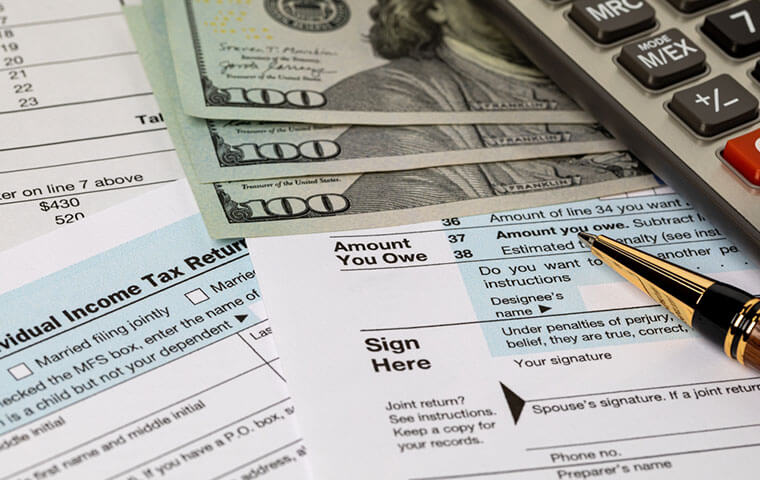
 Proponents of the program say funds get recovered that would otherwise never be, while critics argue funding the IRS itself would be more effective that giving a cut to contractors. Image: J.J. Gouin/Shutterstock.com
By: FEDweek Staff
Proponents of the program say funds get recovered that would otherwise never be, while critics argue funding the IRS itself would be more effective that giving a cut to contractors. Image: J.J. Gouin/Shutterstock.com
By: FEDweek StaffIn the third iteration of a program of having private companies collect certain tax debts on behalf of the IRS, debate continues over whether that should be reserved to the IRS and its own employees, says a report for Congress.
A Congressional Research Service report notes that there were two prior versions of using private collection agencies, or PCAs, for collecting debts of relatively small amounts that the IRS otherwise might not even attempt to collect. In both cases, over 1996-1997 and 2006-2009, the total cost for the program to the IRS—including the design, start-up and administration expenses and fees paid to the PCAs—exceeded the amount returned to the IRS, it said.
The current program was authorized in 2017 and was scaled back by a late-2020 law that limited collection from certain low-income individuals and required that the debt be outstanding for two years rather than one, among other changes.
“Proponents of the current private tax debt collection program argue that without the use of private debt collectors, little of the tens of billions of dollars in the IRS’s inventory of inactive but collectible individual tax debt would ever be collected. They maintain that the primary justification for the program is that the IRS lacks the resources to collect all this debt and thus assigns a low priority to doing so,” the report says.
“Critics say that the current PCA program fails to serve the public interest. They contend that it would be more cost effective to provide the IRS with the resources needed to collect inactive but potentially collectable tax debt. Another concern about the program, critics say, is that unlike PCAs, the IRS has the authority to enter into installment agreements and offers in compromise with taxpayers who cannot pay off their tax debt all at once. Some claim that the PCA program does too little to shield low-income taxpayers from PCA collection,” it says.
The GAO also recently issued a report on the program, recommending for example that the IRS and its parent Treasury Department set standards for measuring whether the program has a disparate impact on certain demographic groups.
Nearly 10,000 Federal Offices Don’t Meet Usage Standards
OPM Plan on Employee Ratings Asking for Abuse, Says Senior House Democrat
OK, FERS and TSP, but What About Social Security Retirement Income?
Conversions to Schedule P/C Pending; Acknowledgement Form Draws Attention
Senate Passes DHS Funding Deal, but Stalls in House; Trump Signs Order to Pay TSA Personnel
See also,
Calculating Service Credit for Sick Leave At Retirement
FERS Supplement vs The 10% Pension Bonus
How Your FERS, Social Security and TSP Payments Get Taxed