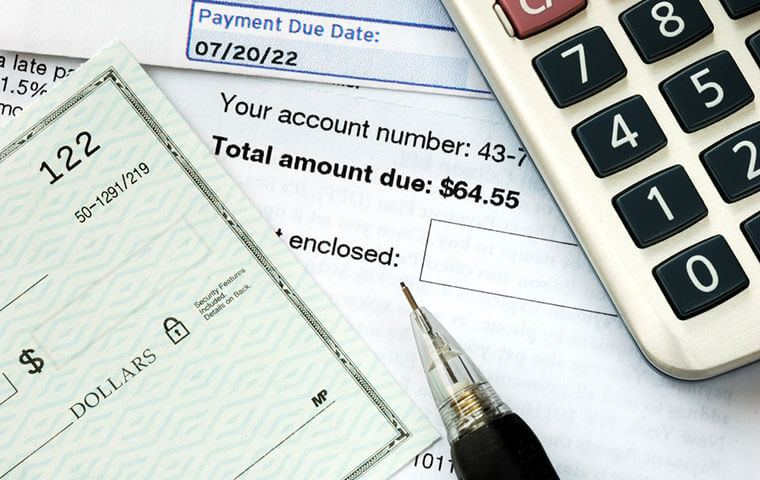
 Getting a better handle on your spending, and finding potential savings, might help sway a decision on when you will be able to retire. Image: JohnKwan/Shutterstock.com
By: FEDweek Staff
Getting a better handle on your spending, and finding potential savings, might help sway a decision on when you will be able to retire. Image: JohnKwan/Shutterstock.com
By: FEDweek StaffIf you think are concerned your reduced income during retirement will not go far enough to cover your expenses, make a retirement budget well in advance. That will either allay those fears or alert you that you need to change your spending habits—and the sooner the better.
Often, people don’t know how much they’re spending, or what they’re spending it for. So, the best way to start is by listing all of your expenses and putting them into categories.
* Start by examining entertainment and travel outlays. Do you really need to take that expensive cruise on your next vacation? Fewer restaurant meals, at not-so-pricey places, also may help.
* Next, look at your household vehicles. Often, they’re a major expense. See if one can be eliminated, or if you can change one vehicle to a model that’s less expensive to insure and operate.
* Don’t forget the little things. You may be able to negotiate better deals for cable TV or cell phones, for example.
* Practice tough love. If you’re helping to support grown children, this may be an area where you’ll need to cut back, in order to balance your own budget and invest for your retirement.
While you’re cutting back, don’t cut too deeply into vital outlays such as insurance premiums. Be sure you retain adequate coverage for your home, your vehicles, and your life.
Getting a better handle on your spending, and finding potential savings, might help sway a decision on when you will be able to retire. If after making such adjustments the income simply won’t be enough, you might need to continue working longer than you had thought.
Nearly 10,000 Federal Offices Don’t Meet Usage Standards
Conversions to Schedule P/C Pending; Acknowledgement Form Draws Attention
OPM Plan on Employee Ratings Asking for Abuse, Says Senior House Democrat
OK, FERS and TSP, but What About Social Security Retirement Income?
See also,
Calculating Service Credit for Sick Leave At Retirement
FERS Supplement vs The 10% Pension Bonus
How Your FERS, Social Security and TSP Payments Get Taxed